
How to Navigate a Hot Real Estate Market as a First-Time Homebuyer

A hot real estate market means it’s a seller’s market, where home inventory is low and competition is high. Although buying a home in a strong seller’s market presents added challenges, especially for a first-time homebuyer, it’s still possible to get an offer accepted on a place you’ll love. It just takes patience, perseverance, and a savvy buyer’s agent. Before beginning your search, keep these important points in mind:
- Figure out how much house you can afford.
- Determine how much down payment you can afford and where it will come from.
- Look for first-time homebuyer programs that can save you money on interest or down payment.
- Check your credit reports and correct any errors.
- Get pre-approved for a mortgage.
- Be prepared to move quickly when you find a home you love.
- Don’t be afraid to negotiate, even in a seller’s market.
- Don’t become emotionally attached to any property.
- Work with an experienced buyer’s agent who knows the market in the area where you want to live.
Don’t get pressured into making the wrong purchase just because it seems like every property has a line around the block and offers are being made the same day. You can still act quickly to avoid losing the right property, but there are many things you should first consider before pulling the trigger on a specific home.
Beginning Your Home Search
The key to beginning a search is location, features, and condition of the property. Location is a top priority for buyers because it impacts many aspects of daily life, including the commute to work, options for shopping and dining out, school locations, local traffic, and public transportation. Let’s take a look at some important aspects to consider related to location.
Is the Location Safe?
Crime mapping services can show when and where crimes were committed near your desired home, as well as the type of crime.
Are There Good Schools Nearby?
Even if you don’t have children, the quality of nearby schools is something to consider when buying a house. Homes in neighborhoods with better schools often hold stronger resale value.
What Is the Neighborhood Really Like?
Visit the neighborhood at different times of the day to get a feel for activity in the area. Are the properties well maintained? Is there excessive noise? Is it walkable or bikeable? Try to talk to some of the neighbors about what it’s like living there.
How Convenient Is It Based on Your Lifestyle?
Is the home close to grocery stores, restaurants, or other services you’ll regularly need? Drive around to see what amenities are nearby. You might even try to get there at your usual travel time to check out the potential commute.
What Type of Home Is Best for Your Lifestyle?
There are various types of homes to choose from when looking for one with the features that fit your lifestyle. Detached single-family homes are the most commonly purchased type, but depending on the location, a condominium or townhouse might be a more suitable or affordable option.
If you’re just starting out, you might not need or want a house. Buying a condo gives you less privacy and space, but some of the maintenance is taken care of for you, and shared amenities like a gym or playground can make it a worthwhile tradeoff. It might even become an investment property if you decide to upgrade later.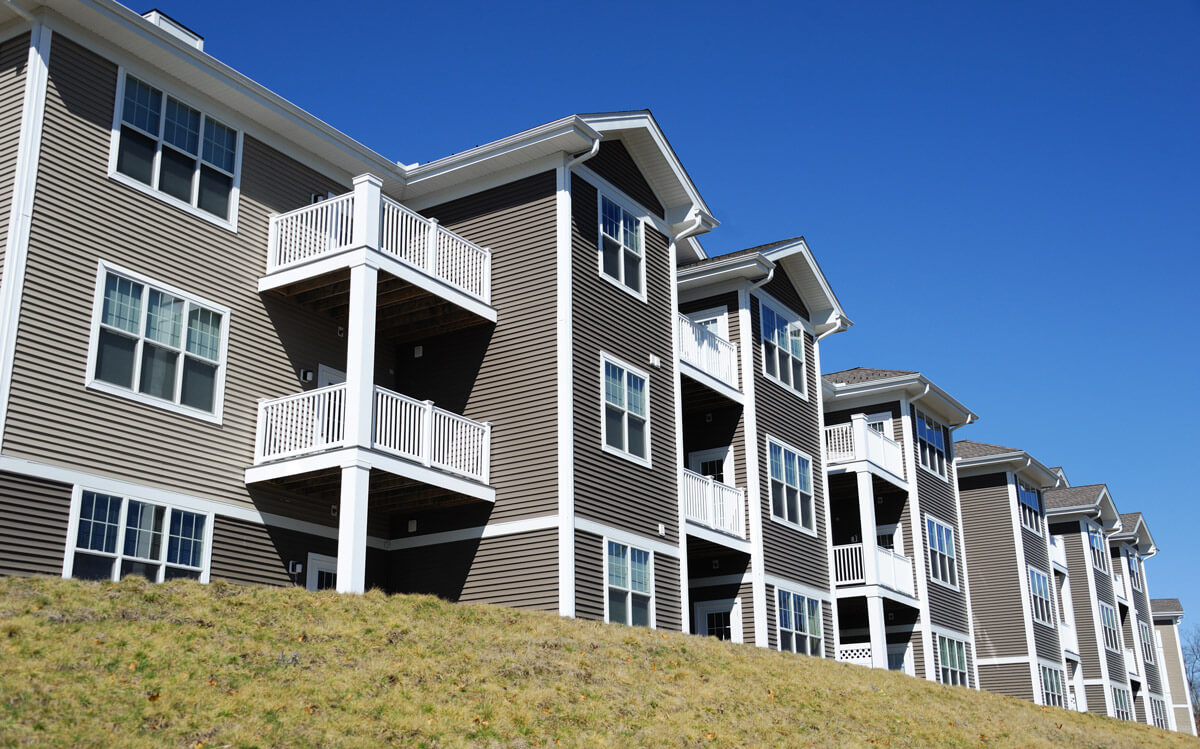
Other Features to Consider
Once you’ve decided what type of home you want, you should consider other features such as outdoor space, especially if you have kids, a dog, or enjoy gardening. Is the land suitable for the use you intend? Is the floor plan convenient for your lifestyle? Are there enough bedrooms and bathrooms for the size of the family you have or plan to have?
Is there a bedroom on the main floor, especially if you plan to live there into old age or may need to care for an aging family member? Make sure the house can grow with your changing family situation. Are there enough closets, a pantry, an attic, a screened-in porch, or outdoor storage? These practical details can make a big difference in daily life.
Know Your Non-Negotiables
Think about what features are must-haves, especially in a hot real estate market. You may need to compromise on your vision of a perfect home. Knowing what you really can’t live without can keep you from making an offer on a home that isn’t a great fit.
Don’t fall in love with a house at first sight, which may cause you to overlook problems. In a hot market, searching for a home is more like dating than getting married.
Does It Need Repairs?
No house is perfect, even new construction homes. Some problems are cosmetic, but others could be unsafe. Make note of what needs repair inside and outside of the home. Nothing should be too small or too big to check.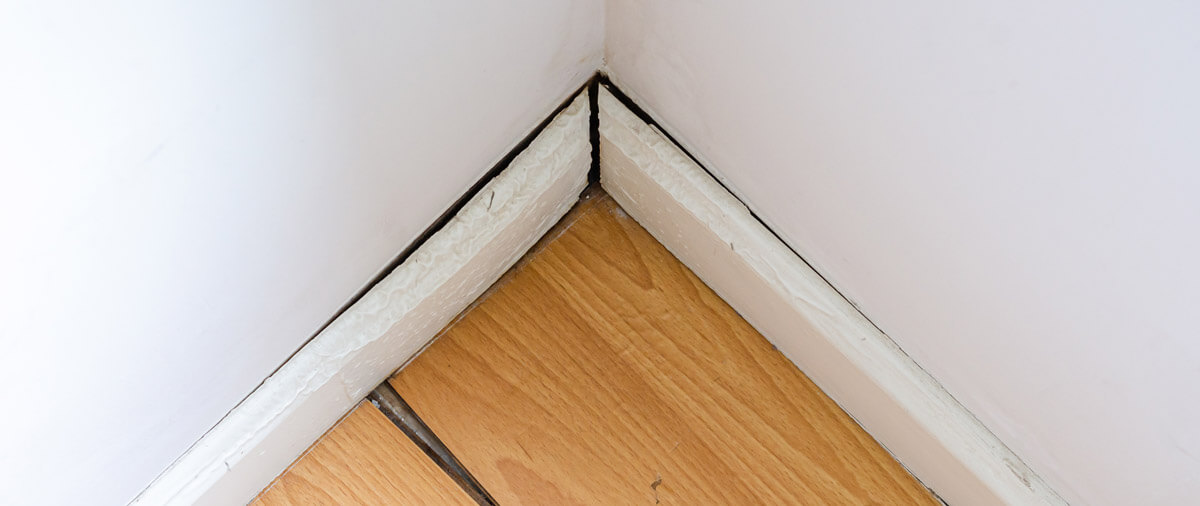
Something that may seem minor, like a broken baseboard, could be a sign of a larger issue such as water damage or mold. Write down or take pictures of any issues you see with the house.
Once your offer is accepted and you’re gearing up to purchase the home, make sure to get a thorough standard home inspection of the house’s mechanical systems, air conditioning and heating, electrical, and plumbing. If appliances are included in the sale, make sure they are in good condition. Check the age and condition of the roof. Look for cracks in the foundation. Consider whether large trees close to the house may cause future issues with roots affecting pipes or the foundation.
Sometimes you can spot moisture damage from an odor. Any house that has been closed up will have a strong scent, but smells that imply moisture, mold, or vermin could lead you to consider a specialized type of home inspection.
Don’t get too discouraged by aesthetics. Paint colors, hardware, and fixtures are all relatively simple and inexpensive to change. Truly minor issues, like a cracked switch plate, don’t really merit asking the seller to repair. Look past the cosmetic features that need fixing and envision how you’ll make the space yours.
Do Some Home Comparisons
Start by looking at what’s available in potential new neighborhoods. Then look online for newly listed resales in the area of your choice and recently sold listings to get a sense of the selling price compared to listing prices. Check the date of the listing and the date of the sale to give you an idea of how hot the market is in the area that interests you.
By looking at sold listings, you’ll learn more about the kinds of homes and neighborhoods you like or don’t like, and you can decide which features matter most to you. If you have a great buyer’s agent, they will be doing all of this and more. They’ll explain the comparisons to you and point out additional factors to consider, leaving no stone unturned while focusing on what really matters.
Our Team Can Help
Our team of experts can provide you with comprehensive home comparisons and expert guidance, saving you valuable time and helping you make informed decisions. Don’t let the stress of home buying get in the way of your busy life. Let Drew Sineath Real Estate be your trusted guide. Contact us today to get started.
Avoid These Common Mistakes
Buying a home is a major investment, and any money you can save along the way can make a huge difference. First-time home buyers are prone to poor planning. Here are some common errors to avoid:
- Getting just one rate quote. Mortgage interest rates vary from lender to lender, and so do fees such as closing costs and discount points.
- Making a down payment that’s too small. A bigger down payment can help you get a smaller mortgage and more affordable monthly payments.
- Ignoring local, state, VA, USDA, and FHA down payment assistance programs.
- Not knowing whether to pay discount points to reduce your mortgage interest rate.
- Emptying your savings to close the mortgage without leaving room for unexpected fees or repairs.
- Applying for credit before the sale is final.
- Shopping for a house before shopping for a mortgage.
- Underestimating the costs of homeownership, including utilities and upkeep.
- Miscalculating repair and renovation costs on a fixer-upper.
Working with an experienced buyer’s agent and mortgage broker will help you navigate the possible pitfalls. Contact us today for expert advice based on your goals. We’ll help you find the perfect home for you.